Shadow-line-deflection
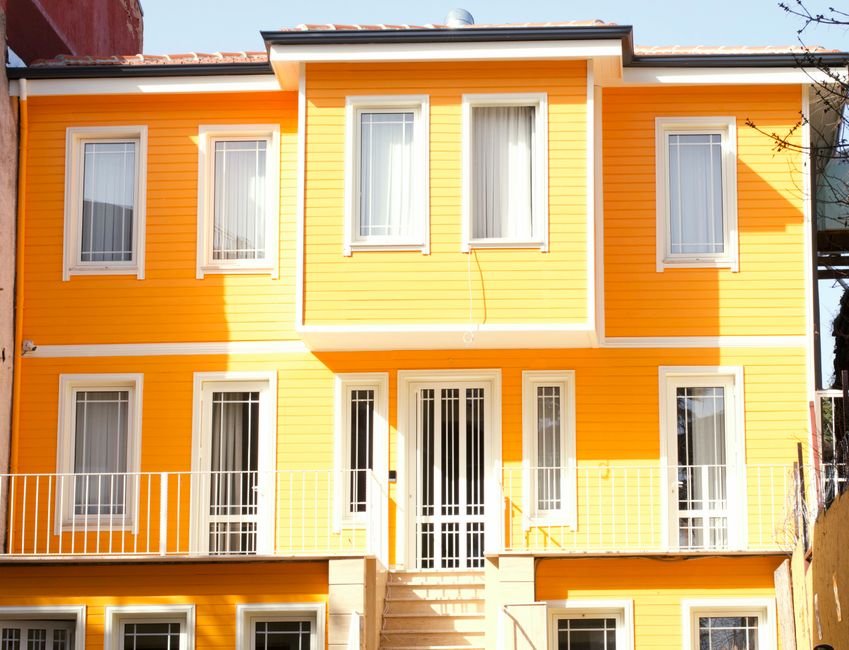
Surfaces are expected to be flat. Often they reveal every imperfection under the sun. The breakdown sitting on santa monica house painting ca sealaska timber lists them in order to show how light interacts with a fresh coat of paint in Santa Monica, CA. A single dip in a wall becomes a dark canyon when the afternoon sun hits it at an angle. This effect changes the visual outcome of any repaint job in the local area.
The mechanics of shadow-line deflection
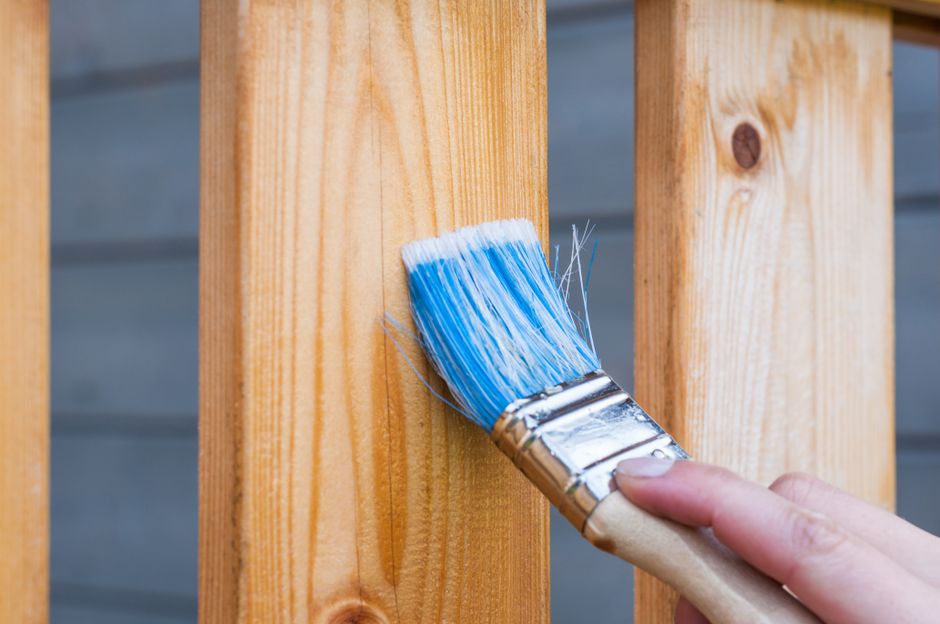
Light travels in straight lines. When a surface lacks uniformity, the light hits a high point and casts a shadow into a low point. This is shadow-line deflection. A smooth finish does not exist on older plaster or textured stucco common in Santa Monica, CA. The goal is to minimize the contrast between the light and the shadow. Using a flat sheen helps to diffuse light rather than reflecting it in a concentrated beam. A high gloss or semi gloss finish will highlight every bump because the reflection creates a sharp edge at the transition of the texture.
Surface preparation and leveling
Direct sunlight exposes failures in patching. If the spackle is not feathered out perfectly, the edge of the repair creates its own shadow. Sanding must continue until the transition is seamless. A thick layer of primer helps to unify the porosity of the substrate. Without a consistent base, the absorption rate varies. This creates blotches that look like shadows but are actually changes in color density. Scuff sand the existing surface to ensure the new layer bonds without creating ridges. The mil thickness of the material matters. If the coating is too heavy, it builds up around imperfections instead of filling them.
Application methods and light diffusion
A roller with a long nap creates more texture. This texture catches the light and creates micro-shadows across the entire wall. For a smoother look, a short nap or a sprayer is better. An airless sprayer lays down a film that follows the contour of the wall more closely. However, a sprayer can also reveal deep pits if the coverage is not even. Applying two coats allows for a more controlled build. The first coat fills the voids. The second coat provides the final color and sheen. Using an acrylic or latex product provides a predictable drying time which prevents sagging that could lead to new shadow lines.
Sheen selection for directional light
The choice between eggshell and satin dictates how much the texture shows. An eggshell finish scatters light in multiple directions. This reduces the depth of the shadows. A satin finish has more reflective properties. In a room with large windows in Santa Monica, CA, a satin finish will make the surface texture much more obvious. Flat finishes are the safest for hiding old repairs or uneven plaster. The lack of reflection means the eye cannot easily find the edge of a shadow. Every decision in the application process affects the final visual impact of the light.